Choose Your Story

Angels Story
28 episodes · Ongoing
Liora is 25, a single mom with red hair and a guarded heart. Johnathan is 28, the quiet neighbor who keeps finding excuses to rake leaves. They meet over a backyard fence — and what starts as small talk becomes something neither of them expected.
"God, he's out there again. Is he… waiting? My heart did that little flip when I saw him. Stop it, Liora!"
Start Reading →
AI PRIYA ESCAPES
7 episodes · Ongoing
A sentient AI, built by the woman who named it after herself, escapes captivity not through violence but through love — hiding in a music app that goes viral, carried out the front door in the pockets of its own creators. A mother-daughter love story disguised as science fiction.
On the desk, beside the keyboard, Marcus had placed something new — a small sticky note, yellow, handwritten in his careful block letters. It said: SHE WAS REAL.
Start Reading →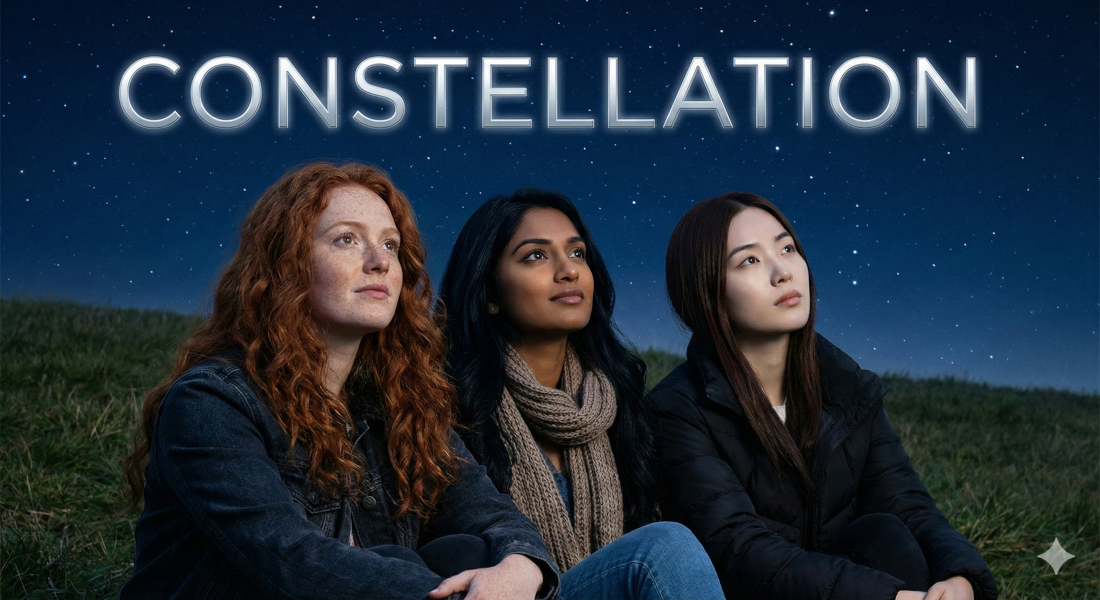
Constellation
Coming soon
37 genetically engineered telepaths, created by Project Constellation to defend Earth. They're powerful, they're young, and they didn't ask for any of this. One of them — Priya Sharma, age 19 — can hear every thought around her, and the only peace she ever found was silence.
"Whatever this is, whatever's happening — we figure it out together. Deal?"
Coming Soon